

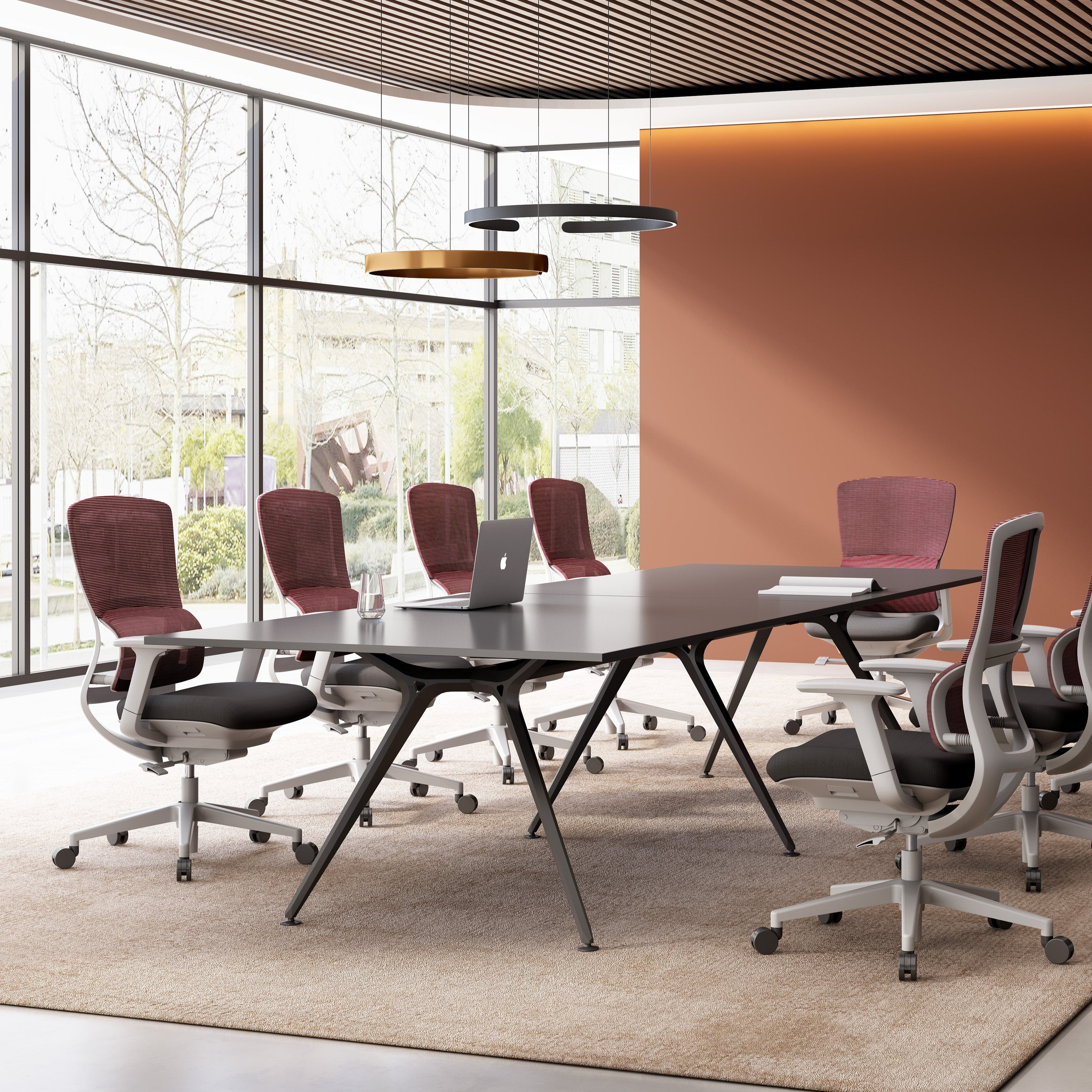

Most Canadian businesses run their Q4 office refresh backwards. The chairs and desks everyone can see get replaced first, because they are the obvious spend, and the storage, filing, and ergonomic fit that actually drive the next three years of cost get pushed to next year.
Then the order arrives in January, and the tax deduction everyone was counting on slips into the wrong fiscal year.
Here is the part most refresh checklists skip. Office furniture is a Class 8 asset in Canada, written down at 20 percent a year, and for purchases made between 2025 and 2033 the Reaccelerated Investment Incentive suspends the usual half-year rule, so you can claim the full 20 percent in year one instead of half (Canada Revenue Agency).
The catch is that the furniture has to be available for use before your fiscal year-end, which means delivery timing decides whether the write-off lands this year or next.
Plan the order and the timing, not just the shopping list, and a Q4 refresh stops being a scramble.
What should a Q4 office refresh actually cover?
A complete office refresh covers five things: seating, work surfaces, storage and filing, shared furniture, and the common areas people forget until a client visits.

Skipping any one bucket is how a refresh ends up half-finished. Sort your list into these groups before you price anything.
The five buckets to plan around
-
Seating: task chairs for desks, plus stackable or multipurpose chairs for meetings and overflow.
-
Work surfaces: desks and tables sized to the room and to how teams actually work.
-
Storage and filing: pedestals, filing units, and steel storage cabinets that keep documents secure and desks clear.
-
Shared furniture: boardroom seating, breakout tables, and reception pieces.
-
Common areas: lockers or personal storage for hybrid teams who hot-desk.
Why does the buy order matter more than the buy list?
The order you buy in protects your budget more than the brand on the box. Replace the pieces that affect daily comfort and long-term cost first, seating and storage, then spend what is left on the visible cosmetic upgrades.
That approach follows the buy-once principle: pay once for furniture that lasts, rather than replacing lighter-gauge products every few years.
Buy for the next three years, not the next photo
-
Start with ergonomic fit and steel storage, the pieces that cause daily complaints or clutter when they are wrong.
-
Choose furniture rated for commercial use so you are not re-buying in two seasons.
-
Leave decorative and non-essential items for last, or for the next budget cycle.
-
Weigh total cost over the life of the piece, not the sticker price at checkout.
Steel does cost more up front than flat-pack. Over five years of daily use, the piece you do not replace is the cheaper one, and the tax treatment below narrows the gap in year one.
How do you match office chairs to the work, not the label?
A chair is not ergonomic on its own. The Canadian Centre for Occupational Health and Safety is clear that a chair becomes ergonomic only when it suits the worker's body, their workstation, and the task in front of them (what makes a chair ergonomic).
Buy for adjustability and fit, and let people try chairs before you order in volume.
What to check before you order seating
-
Adjustable seat height and tilt, plus backrest support the user can set from a seated position.
-
A stable five-point base and casters suited to your flooring.
-
A short trial with the people who will sit in the chairs all day, per CCOHS guidance, before any bulk order.
-
The right chair for the task: a task chair like the Ergonomic Office Chair Task or Chillax for desks, and a stackable option like the Ruby chair for meeting rooms and events.
CEHA owns its chair designs and tooling, which is why the adjustments hold up to daily commercial use. Compare models across task chairs and multipurpose seating, and if you are speccing a full floor, read the common office chair buying mistakes before you commit.
What storage and filing should you plan around?
Storage quietly decides how tidy an office stays after the refresh. Under-desk pedestals keep daily files within reach, while steel cabinets and lockers handle shared documents and personal gear.
In steel storage, gauge tells you how heavy-duty the build is: 20 GA is Heavy Duty, 22 GA is Medium Duty, and 24 GA is Regular Duty.
Pedestals, filing, and steel cabinets
-
Mobile under-desk pedestals suit hot-desking and small footprints; a full filing cabinet suits high-volume paper.
-
Powder-coated steel resists dents and daily wear better than lighter-gauge products.
-
Lockable units matter for shared and client-facing spaces.
-
Match gauge to the load and traffic, guided by budget and how hard the storage will work.
Not sure which unit fits? Weigh pedestal drawers or a filing cabinet for your paper volume, check which steel gauge fits your storage, and size your desks and tables around the storage, not the other way round.
When should you buy so the write-off lands this year?
Timing is where a Q4 refresh either saves tax or misses it by a few weeks. Office furniture is a Class 8 asset in Canada, deducted at 20 percent a year on a declining balance (Class 8 capital cost allowance). For furniture acquired from 2025 through 2033, Bill C-15's Reaccelerated Investment Incentive suspends the half-year rule, so you claim the full 20 percent in the first year rather than 20 percent of half.
The available-for-use trap
-
The deduction is tied to when the furniture is available for use, not just when you pay the invoice.
-
Furniture that ships late and arrives after your fiscal year-end pushes the deduction into next year.
-
Long overseas lead times are the usual reason a Q4 purchase misses the window.
-
Furniture stocked and shipped from the GTA arrives faster, which keeps the write-off in the current year.
A quick worked example
On a $12,000 Class 8 refresh, the difference is easy to see. Under the old half-year rule, year-one CCA was 20 percent of $6,000, or $1,200. Under the current incentive, it is 20 percent of the full $12,000, or $2,400, on the same purchase.
Confirm your own figures with your accountant, since the incentive phases down after 2029 and the exact result depends on your business. Once you have a list, contact the CEHA team for a delivery timeline that fits your year-end.
How do you plan a refresh you will not redo in two years?
A refresh you never want to repeat comes down to durability and support. CEHA has spent 53 years in sheet metal manufacturing and owns its designs and tooling, which is how the furniture stands up to daily commercial use.
Buy once, and the next refresh becomes a choice, not a repair bill.
What long-term value looks like
-
Commercial-grade steel built for years of use, not seasons.
-
Designs and tooling owned in-house, backed by state-of-the-art manufacturing.
-
A GTA showroom in Markham you are welcome to visit before a bulk order.
-
Logistics that ship across Canada and worldwide, so multi-site rollouts stay on schedule.
Shop local, see the furniture in person, and get it delivered from the GTA on a timeline you control.
Get the order and the timing right, and a Q4 office refresh protects three years of cost instead of blowing one quarter's budget.

Start with seating and storage, plan desks and cosmetics around them, and make sure the furniture is delivered and in use before your fiscal year-end so the write-off counts.
Browse Office Solutions to build your Q4 list, or reach out for a bulk quote and a delivery timeline built around your year-end. Prefer to see it first? You are welcome to visit our GTA showroom in Markham.
Built with 53 years of metal manufacturing expertise. Built for Life in Canada.


