

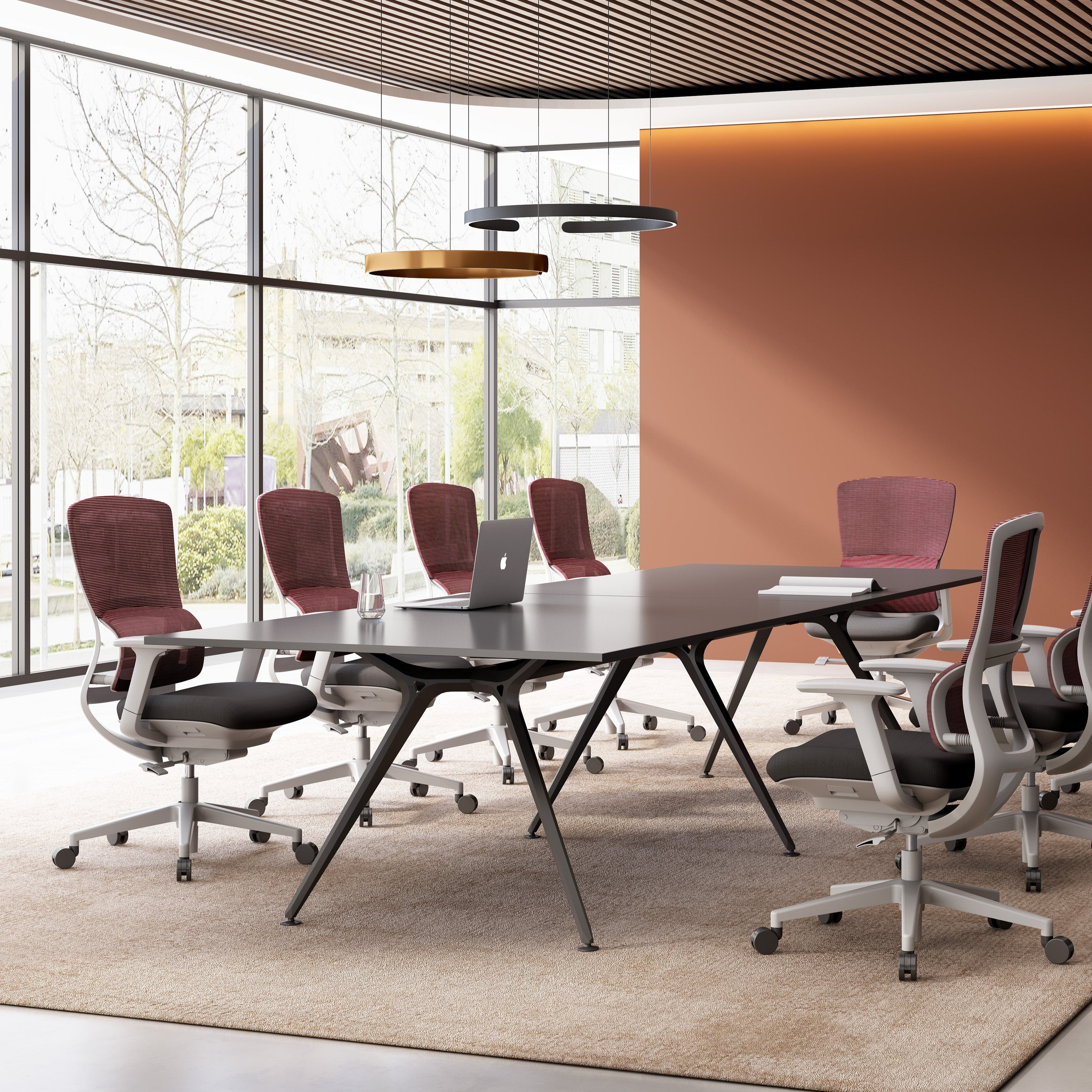

Resetting your home office is one of the most effective ways to improve focus and productivity.
When your workspace is organized around how you actually work, it reduces friction, minimizes distractions, and supports more efficient daily routines.
These organization principles are applied across functional workspaces at CEHA Canada, where storage and layout decisions are designed to support long-term use rather than short-term tidiness.
Why Home Office Organization Affects Productivity
A cluttered workspace creates constant visual and mental noise. Even when you are not actively thinking about the mess, your brain is processing it in the background.
Poor organization often leads to:
- Difficulty finding documents or tools
- Interrupted focus
- Repeated setup and cleanup cycles
- Work surfaces that fill up faster than they clear
Over time, these small disruptions compound into lost hours and increased stress.
Effective home office organization removes these obstacles by reducing the number of decisions and movements required throughout the workday.
Start With a Clear Purpose for the Workspace
Before organizing anything, define what the home office is meant to support.
Ask yourself:
- Is this space used for focused computer work, meetings, or both?
- Do you handle physical documents regularly?
- What equipment needs to stay accessible every day?
- How much surface space do you realistically need?
Clear intent prevents overfilling the office with storage that does not match actual work habits.
A workspace designed around real use will always outperform one designed around appearance.
Declutter Before You Organize
Organization fails when clutter is simply rearranged.
Start by removing:
- Outdated paperwork
- Broken or unused electronics
- Duplicate supplies
- Items that belong elsewhere in the home
This step is often uncomfortable, but it is essential. Keeping fewer, more relevant items reduces both visual clutter and the amount of storage required, making the office easier to maintain over time.
Keep the Work Surface as Clear as Possible
Your desk is the most important zone in the home office and the most likely to attract clutter.
To support productivity:
- Limit the desk to essential daily-use items
- Move reference materials and supplies into nearby storage
- Avoid using the desk as temporary storage
- Keep cables organized and out of the way
A clear work surface lowers the barrier to starting work. You should be able to sit down and begin immediately without first clearing space.
Use Enclosed Storage to Reduce Distractions
Open shelving often looks appealing at first, but it tends to collect visual clutter over time.
Enclosed storage works better in a productivity-focused workspace because it:
- Hides visual noise
- Protects items from dust
- Creates a calmer environment
- Simplifies daily cleanup
Well-planned office solutions help keep non-essential items out of sight while remaining accessible, which supports sustained focus throughout the day.

Organize Storage by Frequency of Use
Not everything needs the same level of accessibility.
Organize office storage based on how often items are used:
- Daily-use items stored at arm’s reach
- Weekly-use items stored nearby but not on the desk
- Rarely used items stored higher or farther away
Desk-adjacent pedestals are especially effective for keeping frequently used items accessible without cluttering the work surface.
Plan Zones Inside the Home Office
A productive workspace is divided into clear zones rather than one oversized work area.
Common home office zones include:
- Primary work zone (desk and chair)
- Storage zone (cabinets, drawers, shelving)
- Reference zone (files, binders, manuals)
- Equipment zone (printer, scanner, accessories)
Zoning helps maintain order because each item has a defined location. When zones are clear, cleanup becomes faster and less mentally taxing.
Choose Storage That Is Easy to Maintain
Even well-organized offices can become difficult to manage if the storage system itself is too complex.
When selecting office storage:
- Favor simple designs over intricate compartment systems
- Avoid overcrowding drawers and cabinets
- Leave space for future growth
- Choose durable, easy-to-clean materials
Durable storage cabinets support long-term organization without introducing additional maintenance work.
Manage Paper Without Letting It Take Over
Paper is one of the biggest challenges in home office organization, especially in hybrid or remote work setups.
To control paper clutter:
- Digitize documents whenever possible
- Use clearly labeled folders or drawers for physical files
- Avoid stacking papers on desks or side surfaces
- Schedule periodic reviews to remove outdated documents
A controlled paper system prevents clutter from quietly rebuilding and keeps storage needs predictable.
Keep the Floor Clear for a Better Workflow
Floor clutter affects both movement and cleaning, and it often signals that storage is not being used effectively.
An organized home office should:
- Keep bags, boxes, and equipment off the floor
- Maintain clear walkways
- Use storage furniture instead of loose piles
Clear floors make the workspace feel larger, safer, and easier to maintain.

Review and Adjust After a Few Weeks
No organization system is perfect on day one.
After a few weeks of use:
- Identify what works well
- Adjust storage placement if items are hard to access
- Remove items that have not been used
- Refine zones as work patterns evolve
For a system-based perspective on adaptable layouts, the Core Plus garage storage guide offers useful insight into building setups that evolve with changing needs.
Maintain Organization With Simple Habits
Organization lasts when it is supported by habits rather than willpower.
Effective habits include:
- Returning items to their designated place
- Clearing the desk at the end of each workday
- Doing quick weekly resets
- Avoiding storage without a defined purpose
Consistency matters more than complexity.
Create a Workspace That Supports Focus All Year
Organizing a home office with intention sets the foundation for better productivity over time.
By decluttering intentionally, creating clear zones, and choosing storage that supports real work habits, the workspace becomes easier to use and easier to maintain.
If you are planning to upgrade or rethink your workspace, exploring functional office storage systems and layouts can help you design an environment that supports focus rather than distraction.
A well-organized workspace is not just easier to maintain, it is easier to work in every single day.


